

Proper Use and Maintenance of a Wood Heater Stove
A wood stove provides a cozy place to relax and provide warmth to a whole house. However, some of these appliances emit harmful gases like creosote, which could be harmful to your health and property.
It is crucial to maintain these stoves. Some of the most important points to remember are: not overheating the stove or tinkering with the stove, and using dried firewood.
Fuel
Wood stoves burn a range of fuel types that include dry wood as well as manufactured solid fuels like briquettes and fire logs. These more clean burning options are healthier and better for the environment than traditional house coal or wet wood. They do emit harmful gases and smoke, and require regular maintenance to perform at their best.
Before you purchase or use any fuel, make sure you read the manufacturer's instructions and ensure that the type is recommended for your stove. Unsuitable fuels could damage your chimney or stove, leading to expensive repairs and invalidating your warranty. It could be illegal to use unapproved fuel particularly in smoke control zones. Look for the 'Ready To Burn logo, which indicates that the fuel meets the smoke emission and sulphur limits and is legally sold for domestic use. The logo is usually displayed on the packaging, or along with the brand name and price.
Fuels that are suitable for burning should be dried out or seasoned to reduce moisture content. This can increase heat output and combustion efficiency. The type of wood you select will also depend on your heating requirements. Softwoods like pine and spruce offer an excellent value for money however, hardwoods such as oak or beech generate more hot embers, and they do so for a longer time. Fruitwoods such as cherry and apple not only provide efficient heating but also enhance the ambience by releasing pleasant aromas.
If you have an appliance that runs on different fuels, you might be interested in a mixed fuel fire. Combining Smokeless Briquettes with wood will allow the flame to last longer and keep your home warm. Briquettes can be used as a backup and can help to keep a chimney from burning by keeping the air moving.
A well-maintained stove will generate more heat, burn less fuel, and produce fewer harmful particles. If you have a gas or oil-fired wood stove, ensure it is installed by a registered installer (on a competent person scheme such as HETAS, APHC, BESCA, Certsure or NAPIT). A well-maintained appliance will be more economical to run and will protect your health and the environment by reducing harmful emissions.
Design
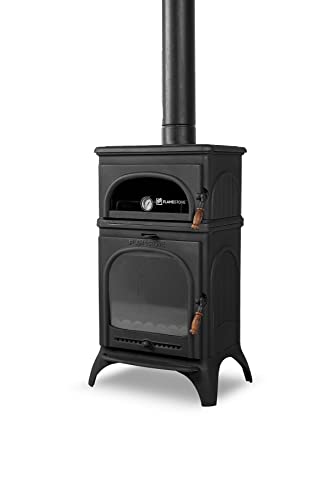
The design of wood stoves is a crucial aspect to consider when considering them as a primary or secondary heat source. Carbon monoxide and smoke are undesirable byproducts that could have a negative impact on health and the environment. The key to reducing the emission of these gases is to ensure proper operation and a well-planned design.
Modern wood stoves are much more environmentally friendly than older models. All EPA certified stoves must meet strict energy efficiency and emission regulations to maximize the amount of heat generated. Look for a metal EPA certification label on the back of the stove or check out the EPA's current database to determine if a particular wood stove is certified. Local hearth products retailers can also be a good resource for learning more about wood stoves, such as the size and capacity that is best for your space.
Controlling top wood burning stoves through the stove is a crucial aspect of EPA emission regulations. The firebox of the stove is enclosed by a wall of fireproof materials and air vents are positioned in the walls to provide controlled airflow. Controlling airflow is vital to ensure that the combustion process is efficient and that emissions are reduced.
Many modern stoves use an air baffle that improves the time for combustion of the fire, which reduces the amount of smoke and harmful gases. Some wood stoves also use an catalytic converter to lower NOx emissions. This type of system is a little more expensive and is generally only used in high-end wood stoves.
Stoves also use different types of air control systems to regulate air flow through the stove. The majority of wood stoves utilize a passive air supply, which requires the operator (you) to operate the stove to get the best performance. Some wood stoves have active air supplies that are controlled by sensors. These sensors are able to monitor the combustion process and adjust the air supply as required.
Wood stoves are an excellent alternative to heating homes in remote areas or those without access to the electric grid. If you do not have a backup source of heating in the event of a power outage or an imminent snow storm, wood stoves shouldn't be the only option to heat your home.
The output of heat
Many wood stoves boast their maximum heat output in BTUs. This is misleading however, since the actual capacity of a wood stove is dependent on a number of factors such as the size of the room as well as how well it's insulated.
The climate of the area can also influence heating demands. Regions that are colder require stoves with a higher BTU rating to ensure the temperature.
Other variables that affect the production of heat include the type of wood used and the frequency of refilling. Dry, seasoned firewood generates more heat than fresh cut and wet logs. The stove fan can also help move the heat generated by the wood burner throughout the room instead of having the hot air rise.
It is essential to keep in mind that the maximum output of a wood heater should not be reached often as a continuous high-fire can damage the stove's internals and cause carbon monoxide leakage into the home.
The performance of a stove can also be improved through regular refills. When adding a log ensure it's not large and set it on the glowing embers so that it doesn't touch the walls of the stove or the glass pane. You can add smaller logs more frequently, rather than waiting too long between additions.
High efficiency stoves are engineered to achieve a higher level of heat output with the same amount of fuel by supplying pre-heated combustion air as well as other design features. These stoves emit less carbon monoxide, toxic gases and smoke than the older models.
Some people opt to install the boiler stove as part of their heating system. The heat generated by a wood burning stove is used to heat water for central heating systems or hot water tank. This allows the heat to be distributed in the house. This is an efficient and economical method of heating a house even though the installation process can be quite extensive. This method requires an additional flue, and the energy needed to run the boiler can increase the overall cost.
Safety
Fireplaces and wood stoves are a practical and attractive way of heating your home. However, they aren't without risk. A fire can cause furniture or carpets to catch fire, and a hot fireplace can cause structural damage to your home. A proper use and maintenance of a wood-burning stove reduces these dangers.
To ensure wood burning stove for shed -burning stoves remain safe and in good working order They should be regularly checked and maintained. This includes examining the flue and chimney for signs of rust and wear and having them cleaned at least twice per year. The chimney should be checked for creosote half-way through the season. It is extremely explosive and can lead to a chimney fire.
When purchasing a wood-burning stove be sure to choose one that has been certified by Underwriters Laboratories (UL) or another lab that is recognized as a testing lab. This ensures that the stove complies with the safety standards set by the federal government and is designed to vent properly. You should also inspect the hinges, legs and grates of a stove to ensure that they are in good shape and securely secured to the floor.
If you choose to install a wood stove in your cabin, make sure that the floor underneath it is insulated and non-combustible. You can also install tiles that are not combustible over your existing flooring if it is fire-proof.
Burn only hardwoods that are seasoned and dry. Green and damp wood produces an excessive amount of smoke and creosote. It is which is a flammable byproduct, which can build up in your chimney and release harmful chemicals into your home. Avoid burning trash, cardboard, paper or any other combustibles inside your wood stove as they could release dangerous fumes, and they may not burn completely.
Don't "over fire" your wood stove -which is to you should not create a bigger fire than the stove is able to handle. Over-fired stoves can lead to flames escaping from the combustion chamber and causing damage to the chimney connector, the stove and chimney itself, as well as burning other combustible materials within your home. It is also important to make sure the fire is fully extinguished prior to leaving your home or going to sleep. Smoke and carbon monoxide detectors must be working throughout the day.